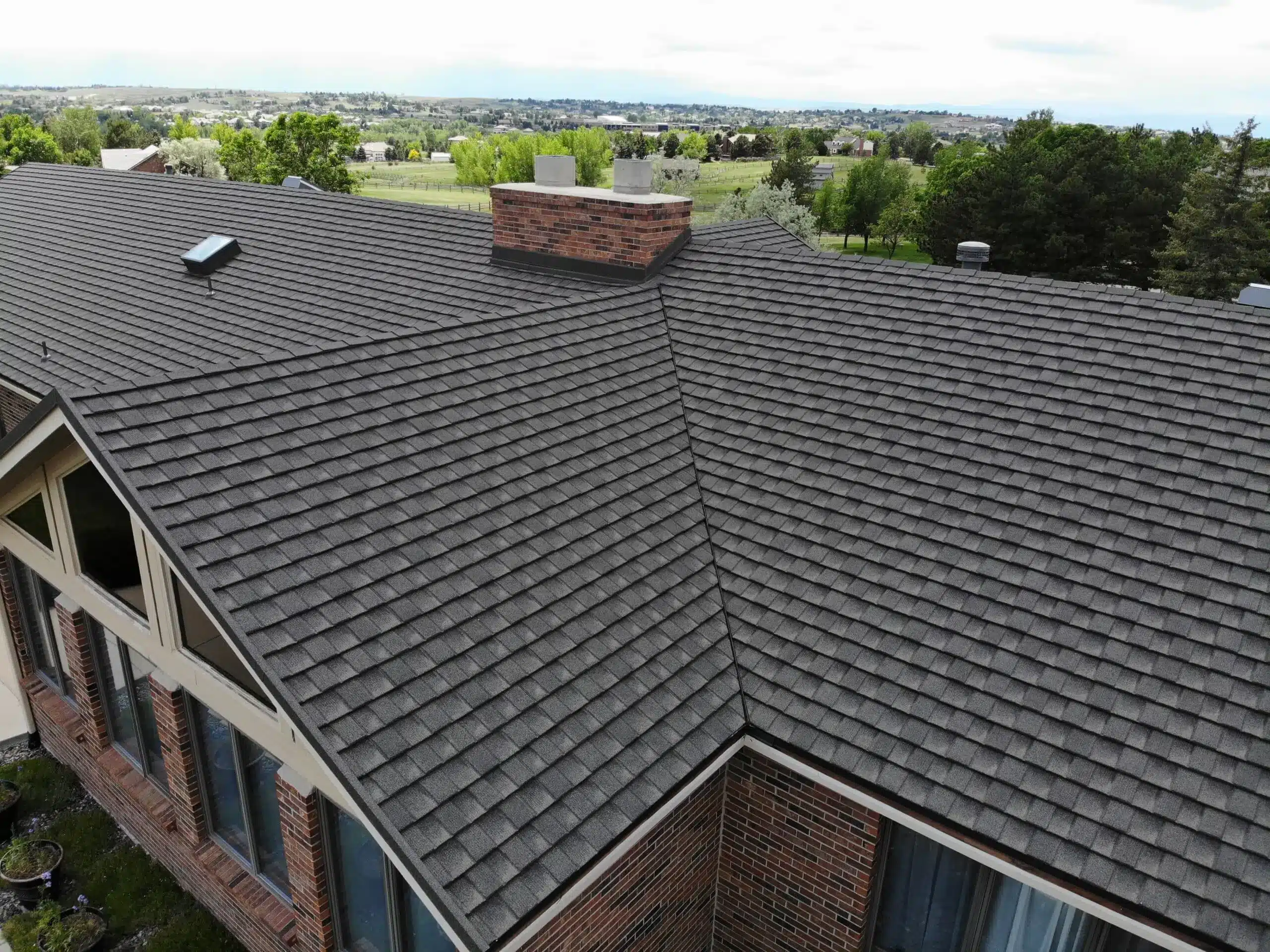



Does your roof actually need repair, or is it just showing its age? For homeowners in Weatherford, TX, that question matters more than most people realize, because catching a real problem early is what separates a simple fix from a full replacement.
North Texas weather is relentless. Between hailstorms in the spring, triple-digit summers, and unpredictable wind events, your roof takes a beating that roofs in milder climates never experience. Knowing how to read the signs and understanding what happens during a professional roof repair can save you thousands of dollars and a lot of stress.
When Your Roof Is Trying to Tell You Something
Most roof problems don’t announce themselves dramatically. They start small, a missing shingle here, a dark water stain there, and grow quietly until they become impossible to ignore. Here are the most common signs that your roof in Weatherford is asking for attention:
- Missing or lifted shingles after a wind or hail event
- Granule loss visible in your gutters or on the ground around your home
- Dark spots or water stains on your ceiling or in your attic
- Flashing that has pulled away from chimneys, vents, or skylights
- Shingles that are curling at the edges or cracking along the surface
- Persistent moisture in your attic, even without an obvious leak
None of these issues fix themselves. The longer they go unaddressed, the more opportunity water has to work its way into your home’s structure.
The Problem With Waiting
Here’s something most homeowners don’t know: water damage from a small roof leak doesn’t stay contained to the roof. Once moisture finds an entry point, it travels. It can saturate insulation, weaken roof decking, and eventually compromise the structural integrity of your rafters and ceiling joists.
What might start as a $500 repair can turn into a $5,000 or $10,000 project if it’s left alone through another Texas storm season. Roof repair in Weatherford, TX is almost always more affordable when it’s addressed promptly, before the damage has a chance to spread.
If you’ve recently had a hail storm come through Parker County, it’s worth having your roof inspected even if you don’t see obvious damage from the ground. Hail damage is often subtle but cumulative, and insurance claims typically need to be filed within a specific window after the event.
What a Professional Roof Inspection Actually Involves
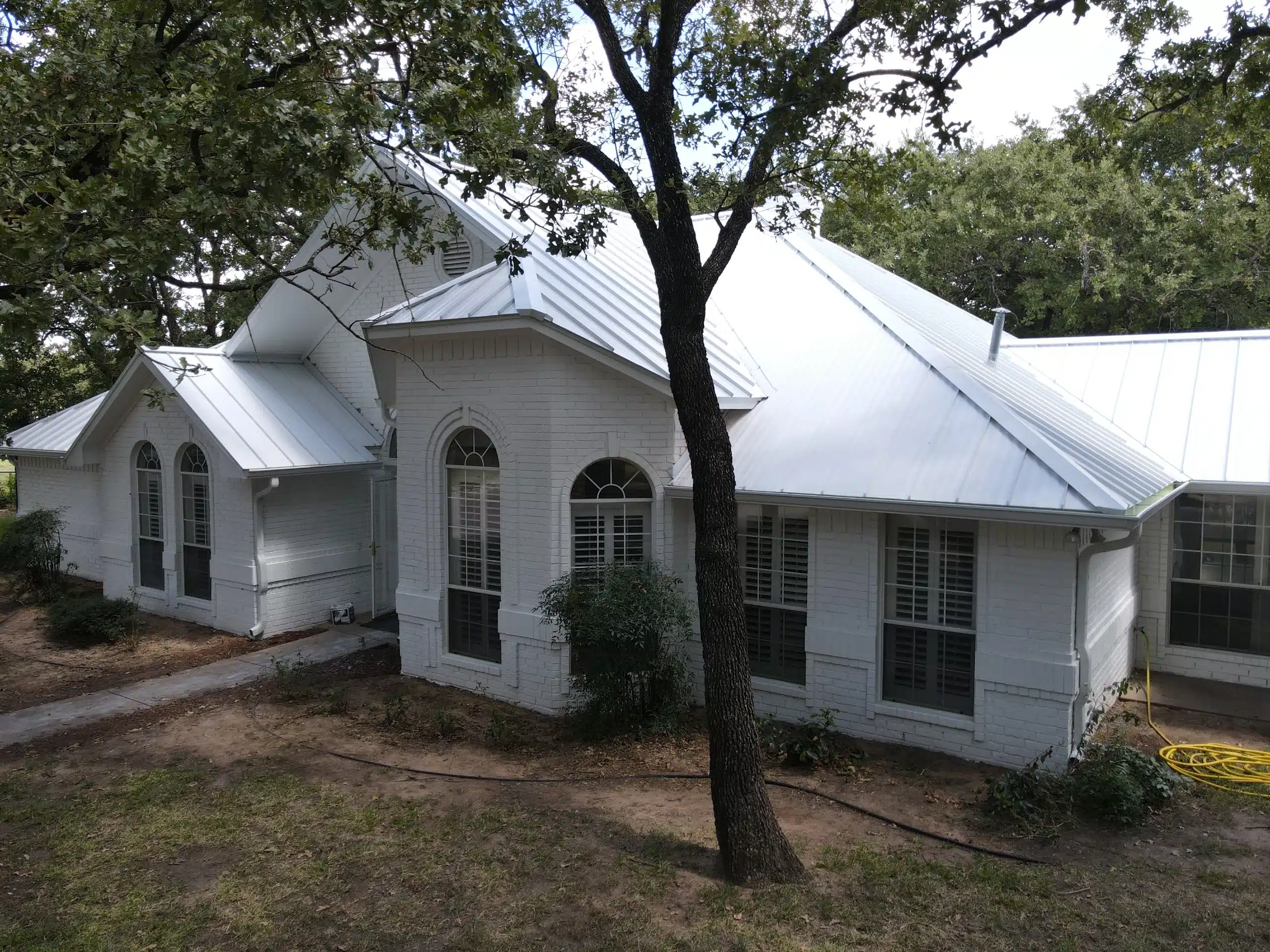
Before any repair work begins, a qualified roofing contractor will inspect your roof to understand the full scope of what’s happening. A thorough inspection goes beyond a quick visual scan from the driveway. A professional will:
- Physically access the roof and walk the surface
- Check all penetration points – vents, pipes, chimneys, and skylights
- Inspect flashing and sealant around edges and transitions
- Look for soft spots in the decking that indicate moisture damage underneath
- Evaluate the condition of gutters and drainage
- Document any storm-related damage with photos, which is helpful for insurance purposes
This inspection is what separates a real repair from a patch job. Without understanding where water is getting in and why, any fix is temporary at best.
Common Types of Roof Repairs in Weatherford, TX
Not every repair looks the same. The type of work needed depends on the roofing material, the age of the roof, and how far the damage has progressed. Some of the most frequent roof repairs in the Weatherford area include:
- Shingle replacement: Individual shingles that are missing, cracked, or badly granule-depleted can typically be replaced without disturbing the surrounding area. Color matching matters here, especially on a roof with some age to it.
- Flashing repair: Flashing is the metal material that seals transitions between your roof and vertical surfaces like chimneys, walls, and skylights. When flashing fails, water gets in through gaps that are nearly invisible from the ground. This is one of the most common sources of interior leaks.
- Decking repair: When moisture has already reached the plywood or OSB sheathing underneath your shingles, that material needs to be replaced before new shingles go down. Skipping this step means trapping moisture and accelerating decay.
- Vent and pipe boot replacement: The rubber boots around plumbing vents are a frequently overlooked failure point. They crack and shrink over time, especially in the heat of a Texas summer.
- Valley repair: The valleys where two roof planes meet channel significant water flow. When the material in these areas deteriorates, leaks follow quickly.
Repair vs. Replacement: How to Know Which One You Actually Need
This is the question every homeowner in Weatherford eventually asks, and the honest answer is that it depends on a few key factors.
Roof repair makes sense when:
- The damage is isolated to a specific area
- The rest of the roof is structurally sound
- The roof is less than 15 to 20 years old
- The repair addresses the root cause, not just the symptom
Roof replacement is usually the better investment when:
- The roof is approaching the end of its expected lifespan
- There are multiple problem areas across the entire surface
- Repairs would cost more than 30% of what a new roof would cost
- The decking has widespread moisture damage
A reputable contractor will give you a straight answer on this. If someone is pushing you toward a full replacement on a 10-year-old roof with one problem area, get a second opinion. And if someone is recommending repairs on a roof that’s clearly past its life expectancy, ask why.
Working With Insurance After Storm Damage
If your roof damage was caused by a hail storm, high winds, or another covered weather event, your homeowner’s insurance policy may cover some or all of the repair cost. The process can feel overwhelming if you’ve never filed a claim before, but understanding the basics helps.
Document everything before any work begins. Photos of the damage, the date of the storm, and your inspection report are all important. Most policies require that you report the damage within a specific timeframe, typically one year from the date of the event, though this varies by policy.
A contractor who has experience with insurance-related repairs can walk you through the documentation process and communicate directly with your adjuster. This doesn’t mean they’re doing the insurance company’s job; it means they understand what adjusters look for and can make sure nothing is overlooked.
Choosing a Roof Repair Contractor in Weatherford, TX
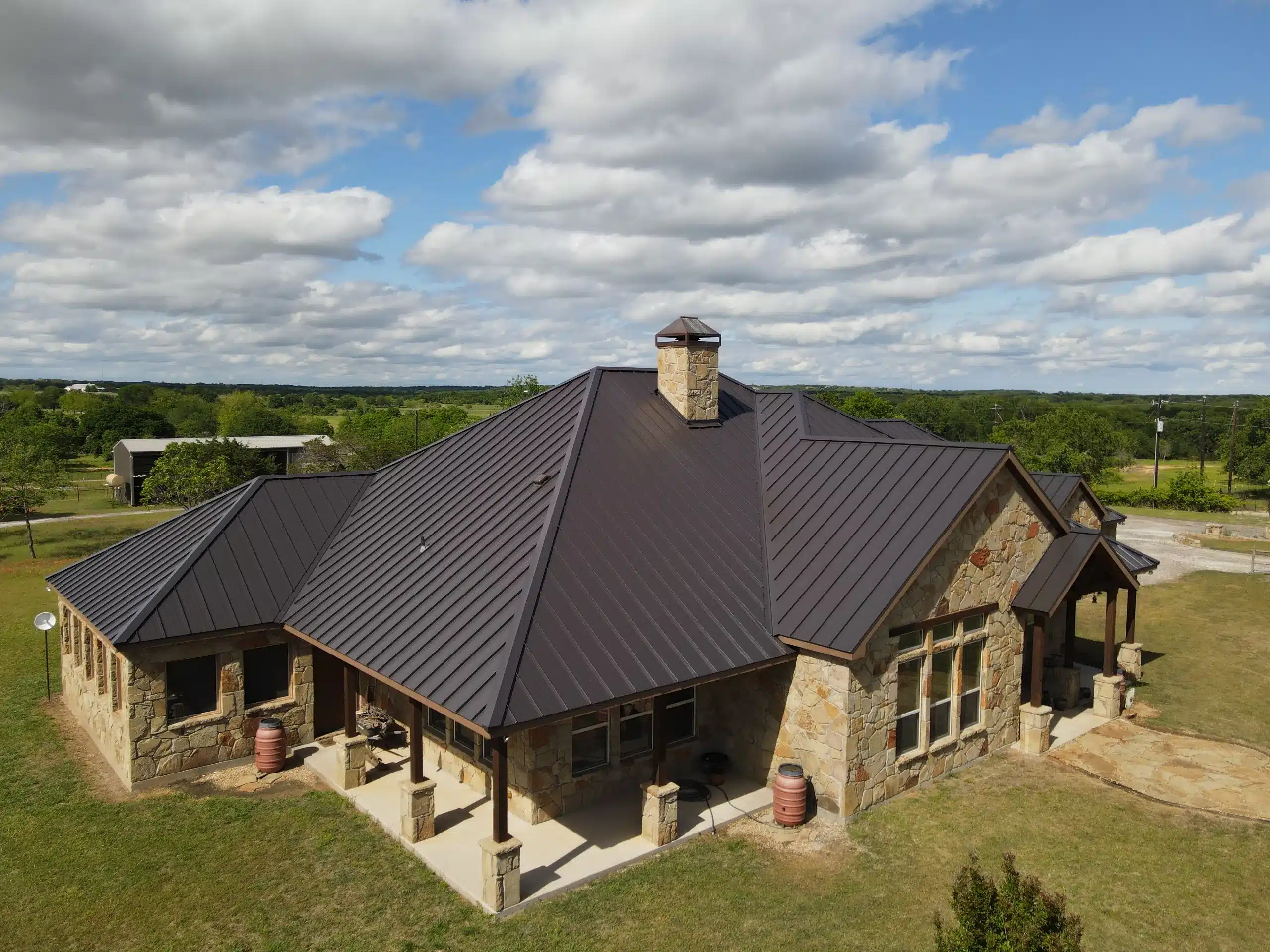
Weatherford isn’t a big city, but after a major storm, the number of contractors showing up can feel overwhelming. Storm-chasing companies from out of state often target areas that have recently experienced severe weather, offering quick bids and faster-than-normal timelines.
There’s nothing wrong with getting multiple estimates. But there are a few things worth looking for in any contractor you’re considering:
- A physical presence in the Weatherford or Parker County area
- Licensing and insurance that covers work in Texas
- Verifiable reviews from local homeowners
- Transparency about the scope of work, materials, and timeline
- No pressure to sign anything before you’ve had time to review the estimate
A local contractor has a reputation to protect in your community. That matters when it comes to quality and accountability.
Protect Your Home Before the Next Storm Season
If you’re reading this after noticing something on your roof, don’t wait for the next heavy rain to confirm your suspicions. Roof repair in Weatherford, TX, is straightforward when it’s handled before the damage has time to grow.
One Oak Exteriors has been working with homeowners across Weatherford and Parker County to repair and protect their roofs year-round. Whether it’s storm damage, wear over time, or something you noticed during a routine check, the team can assess what’s happening and give you a clear picture of what needs to be done.
Reach out to schedule an inspection. No pressure, just honest answers about the condition of your roof.