


A metal roof is a premium investment, providing unparalleled protection and durability against extreme weather, especially the fierce storms typical in Texas. While these roofing systems can last over 50 years, they are not impervious to damage. Understanding how to handle inevitable wear or sudden storm damage is crucial for preserving your property’s integrity.
This detailed Metal Roof Repair Guide is designed to empower Weatherford homeowners with the knowledge to identify issues early, understand the necessary metal roof fixes, and determine when to call a specialized professional. Timely repairing metal roofing is the key to preventing minor issues from turning into catastrophic damage.
Early Detection: Essential Steps in Your Metal Roof Repair Guide
The most critical part of metal roof maintenance and repair is early detection. Regular inspections can flag small issues like a loose fastener or minor abrasion before they result in a leak.
Subtle Signs that Indicate Metal Roofing Fixes are Needed
Metal roofing systems often signal damage subtly. Look out for these signs when conducting your routine checks:
- Cosmetic Changes: Fading, chipping, or bubbling of the paint or protective coating may indicate the underlying metal is losing its shield against corrosion.
- Loose or Popped Fasteners: These are tiny breaches that allow water intrusion. They must be addressed quickly to prevent major leaks and structural water damage. This is one of the most common required metal roof fixes.
- Distorted Seams: On standing seam systems, seams should be tightly crimped. Any separation or distortion can compromise the watertight seal.
- Rust Patches: While modern materials resist rust, areas where the protective coating has been scratched or breached will begin to show signs of corrosion. This type of damage requires immediate metal roof repair.
If you notice any of these indicators, do not wait. For a professional, detailed assessment of your metal roof, learn more about our inspection services.
Identifying the Damage: Common Types of Metal Roof Repair

The solution depends entirely on the problem. This Metal Roof Repair Guide breaks down the most frequent types of fixing metal roof damage we see in the Weatherford area.
Type A: Fastener and Sealant Degradation
Many exposed fastener systems rely on rubber washers and sealants. Over time, UV exposure degrades these components.
- Solution: A specialist will remove the old fasteners, apply a high-quality sealant, and often replace them with larger, specialized screws featuring durable neoprene washers. This simple service is essential for preventing leaks across the entire roof plane.
Type B: Panel Damage and Denting (Storm Damage Repair)
Hail or high winds can cause significant denting. While metal is robust, severe denting can affect water runoff and compromise the panel’s integrity.
- Solution: For severe, localized damage, the best metal roof fix is the replacement of the individual panel or section. Metal roof experts possess the skills to integrate the new piece seamlessly, ensuring color and fit match perfectly. This often falls under storm damage repair.
Type C: Flashing and Penetration Leaks
Flashing around chimneys, vents, and valleys is the most vulnerable area. When this flashing fails, significant water intrusion occurs.
- Solution: Flashing repair involves carefully removing old sealant, inspecting the metal for cracks or holes, and installing new, custom-bent metal flashing with professional-grade, flexible sealants. Proper repairing metal roofing in these areas is crucial for long-term protection.
Your Step-by-Step Action Plan for Fixing Metal Roof Damage

When you discover an issue, follow this structured approach to safeguard your property and expedite your metal roof service.
Step 1: Secure the Interior and Document
- Mitigate Leaks: If water is actively entering your home, place containers to catch the water and protect furniture.
- Document Everything: Use a camera or phone to take high-resolution photos of all internal and external damage. Documentation is vital for insurance claims and repair estimates in this Metal Roof Repair Guide.
Step 2: Contact a Specialized Metal Roof Service
Do not attempt complex metal roof fixes yourself. Metal roofing requires specific expertise. Only hire contractors with proven experience in repairing metal roofing.
- Check Credentials: Verify their licensing, insurance, and local reputation (e.g., BBB rating and Google reviews).
- Request an Estimate: Get a detailed, written estimate outlining the specific repairs needed and the cost.
Step 3: Handle the Insurance Claim (If Applicable)
If the damage is storm-related, contact your insurance provider immediately. We specialize in storm damage repair claims and can work directly with your adjuster to ensure a fair assessment. Learn more about our claims assistance process.
The Metal Roof Maintenance Mindset: Prevention is the Best Repair
The most effective part of any Metal Roof Repair Guide is the section on proactive maintenance. Consistent, minimal upkeep drastically reduces the need for expensive metal roof fixes.
Essential Maintenance Checklist for Longevity
- Routine Visual Checks: Inspect the roof twice a year (spring and fall) and after any major weather event. Use binoculars from the ground.
- Keep It Clear: Ensure gutters and the roof surface are free of organic debris (leaves, branches). Debris traps moisture, which accelerates rust and coating degradation.
- Trim Overhanging Trees: Prevent physical damage from falling limbs by keeping tree branches trimmed back from the roofline.
By adhering to this regimen, you minimize the risk of needing significant metal roof service.
Repair vs. Replacement: When is Fixing Metal Roof Damage Enough?
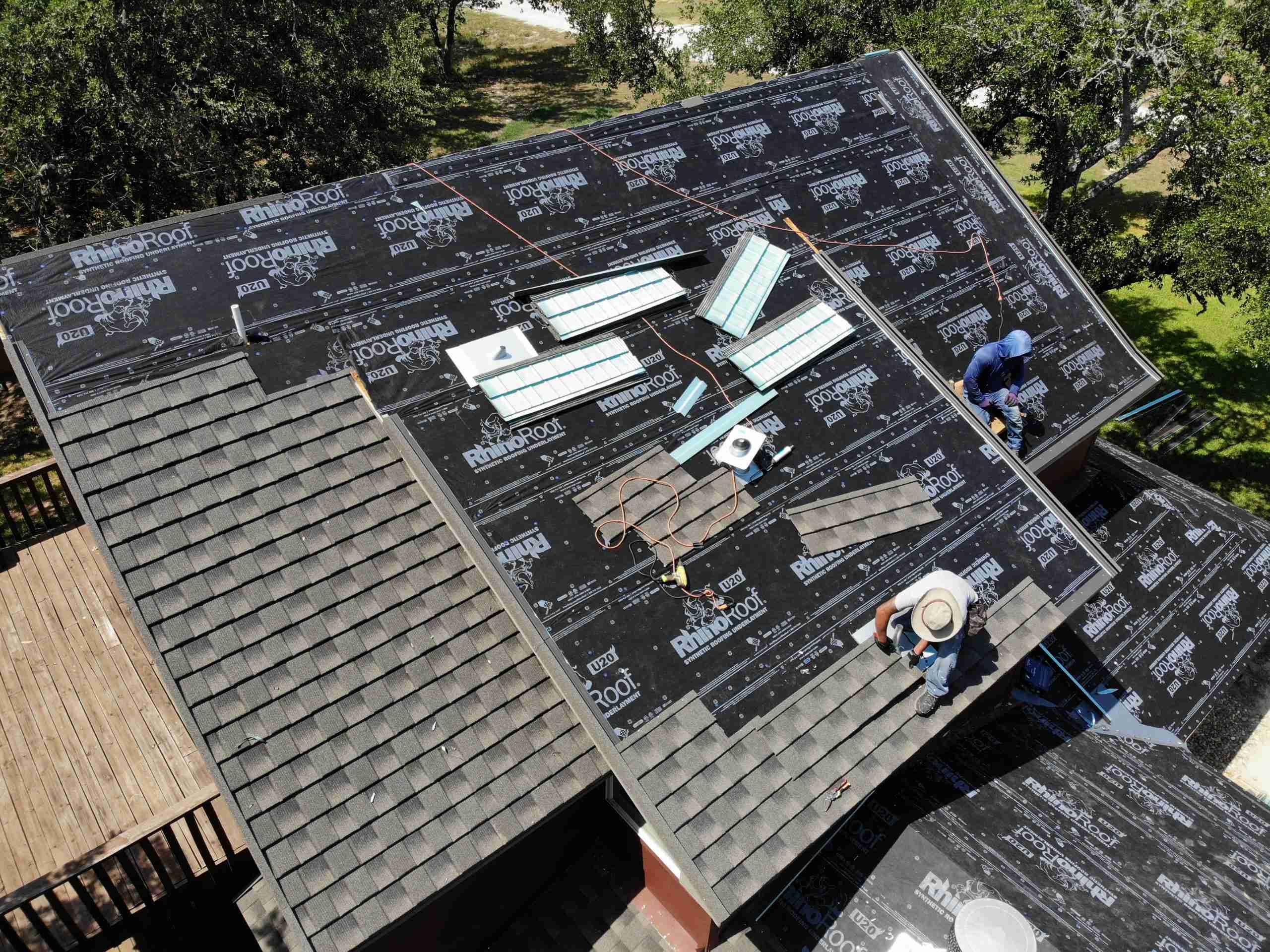
One of the great advantages of metal is its repairability. Unlike shingles, where localized damage can sometimes necessitate a full replacement of a section, metal panels can often be replaced individually.
- When to Repair: If the damage is isolated (less than 30% of the surface) and the roof’s lifespan is far from over (e.g., a 20-year-old metal roof), then specialized metal roof repair is the cost-effective and logical choice. This applies to most situations involving leaks, seam issues, or localized corrosion.
- When to Replace: Full replacement is usually only necessary if the metal roof system is over 50 years old, or if the underlying decking or structure has suffered systemic, widespread failure due to prolonged water intrusion that has gone unaddressed.
Trust our experts to provide an honest, accurate assessment regarding the scope of your metal roof service.
FAQs
How long does a typical metal roof repair take?
Most localized metal roof fixes, such as addressing seam separation or replacing flashing, can be completed in one to two days. More extensive storm damage repair requiring multiple panel replacements may take longer, depending on the severity and material availability. Your dedicated metal roof service team will provide a detailed timeline upfront.
What should I look for in a local metal roof repair contractor?
Look for deep specialization in repairing metal roofing. They should have specific experience with the type of metal (e.g., standing seam, corrugated) you have. Always confirm they are licensed, fully insured, and have a strong local reputation for honesty and quality.
Is it better to repair or replace a leaking metal roof?
For a high-quality metal roof, repair is almost always the better option unless the roof is approaching the end of its projected 50-70 year lifespan, or if the water damage has compromised the entire underlying structure. We focus on effective, long-term metal roof fixes to maximize your original investment.
Does fixing metal roof damage require special materials?
Yes. Repairing metal roofing requires specialized sealants and fasteners that accommodate the thermal expansion and contraction of the metal. Generic caulks or standard screws will fail quickly. Professional metal roof service ensures that all materials used meet industrial standards for durability and weather resistance.