


If you’ve started shopping for replacement windows, you’ve probably already noticed how many options there are. Double-hung, casement, picture, bay and that’s before you even get to frame materials and glass packages.
The good news is that most homes really only need two or three window types, and once you understand what each style does well, the choice gets a lot easier. This guide breaks down the most common types of residential windows, where they work best, and what to keep in mind when replacing old windows in a Texas climate.
Why Window Type Matters More Than You Think
Window style affects more than looks. The type of window you choose determines how much ventilation you get, how easy the window is to clean, how well it seals against outside air, and how much natural light it brings in.
In Texas, energy efficiency is especially important. Summers are long and hot, and a poorly sealed or single-pane window can meaningfully increase your cooling costs. Choosing the right window style (and the right glass package) makes a real difference.
The Most Common Window Types and Where They Work Best
1. Double-Hung Windows
Double-hung windows have two sashes that both slide up and down independently. They’re the most popular window style in U.S. homes for good reason: they’re versatile, widely available, and easy to clean, both sashes tilt inward so you can wipe the exterior glass from inside.
Best for: bedrooms, living rooms, dining rooms. Basically any room where you want ventilation and easy maintenance.
2. Casement Windows
Casement windows are hinged on one side and swing open outward via a crank handle. When closed, they compress against the frame and seal very tightly, which is why they consistently score among the highest in energy efficiency ratings.
Best for: areas where you want maximum airflow and a tight seal. Very popular above kitchen sinks and in rooms that face prevailing breezes.
3. Sliding Windows
Instead of moving up and down, sliding windows glide horizontally along a track. They’re simple, reliable, and require no hardware to operate, just push or pull.
Best for: wide openings, garages, sunrooms, or spaces where operating a crank or lift isn’t practical.
4. Picture Windows
Picture windows don’t open. They’re fixed in place and designed to frame a view or flood a room with natural light. Because there are no moving parts, they seal extremely well and are highly energy-efficient.
Best for: living rooms with views, spaces that get a lot of sun, or any wall where ventilation isn’t needed but light is.
5. Bay & Bow Windows
Bay windows project outward from the exterior wall and typically combine three panels, a large center pane flanked by two angled side units. Bow windows do the same with four or more panels, creating a gentle curve.
Both styles add architectural character, create a small interior ledge or seating nook, and make rooms feel larger. They’re a popular choice in living rooms and master bedrooms.
Best for: rooms where you want a design statement, additional interior space, or a built-in seat or shelf.
Homeowners who invest in bay or bow windows often pair them with a pergola or patio cover to extend that same sense of openness to the outdoors.
6. Awning Windows
Awning windows are hinged at the top and crank open at the bottom, creating a canopy effect. The outward angle means they can stay open during light rain without letting water in.
Best for: bathrooms, basements, and areas where privacy or rain protection matters. Often paired with picture windows for ventilation.
7. Egress Windows
Egress windows aren’t a style so much as a code requirement. Any bedroom located below grade (in a basement) is required by building code to have at least one egress window, a window large enough for an adult to climb out of in an emergency.
If you’re finishing a basement in Texas, this is non-negotiable. We handle sizing, permitting, and installation — and if your home needs other exterior upgrades at the same time, our siding installation team can coordinate alongside the window crew.
8. Garden Windows
Garden windows extend outward from the wall like a small greenhouse box, with side panels and a glass top. They’re a charming option for kitchens (great for growing herbs or displaying small plants) and bring in light from multiple angles.
Best for: kitchens, especially above the sink.
What About Frame Materials?

Once you’ve settled on a window style, you’ll need to choose a frame material. Each has trade-offs:
- Vinyl: The most popular choice for replacement windows. Low maintenance, good insulation, and very cost-effective. Available in a range of colors.
- Wood: Classic look, excellent insulation, but requires periodic painting or staining to prevent rot and warping.
- Aluminum: Strong and slim-framed, but conducts heat, which can hurt energy efficiency in Texas summers unless it has a thermal break.
- Composite: Combines materials (often wood fiber and PVC) for the look of wood with better moisture resistance. A good middle-ground option.
For most Texas homeowners replacing older windows, vinyl is the most practical choice. It performs well in heat, doesn’t need much upkeep, and fits most budgets.
Glass Packages: Don’t Overlook This Step
The frame gets all the attention, but the glass package is where a lot of the energy performance comes from. A few things to look for:
- Double-pane glass: Two layers of glass with a sealed air or gas space between them. Standard for most replacement windows and a major upgrade over single-pane.
- Low-E coating: A microscopically thin metallic coating applied to the glass that reflects heat. In Texas, a Low-E coating with a low solar heat gain coefficient (SHGC) helps keep summer heat out.
- Argon or krypton fill: Inert gases pumped between the panes for better insulation than air alone.
In Texas’s climate, a double-pane window with a Low-E coating optimized for hot climates is almost always the right call.
Signs It’s Time to Replace Your Windows
Not sure if your windows actually need replacing? Here are the clearest signs:
- Drafts near the frame even when the window is fully closed
- Condensation or fog between the panes (means the seal has failed)
- Windows that are difficult or impossible to open and close smoothly
- Visible rot, warping, or damage to the frame
- Noticeably higher heating or cooling bills
- Single-pane glass (a major upgrade opportunity)
Just like with roof replacement, knowing when to act can save you from much bigger problems down the road.
Ready to Replace Your Windows? Here’s What to Do Next
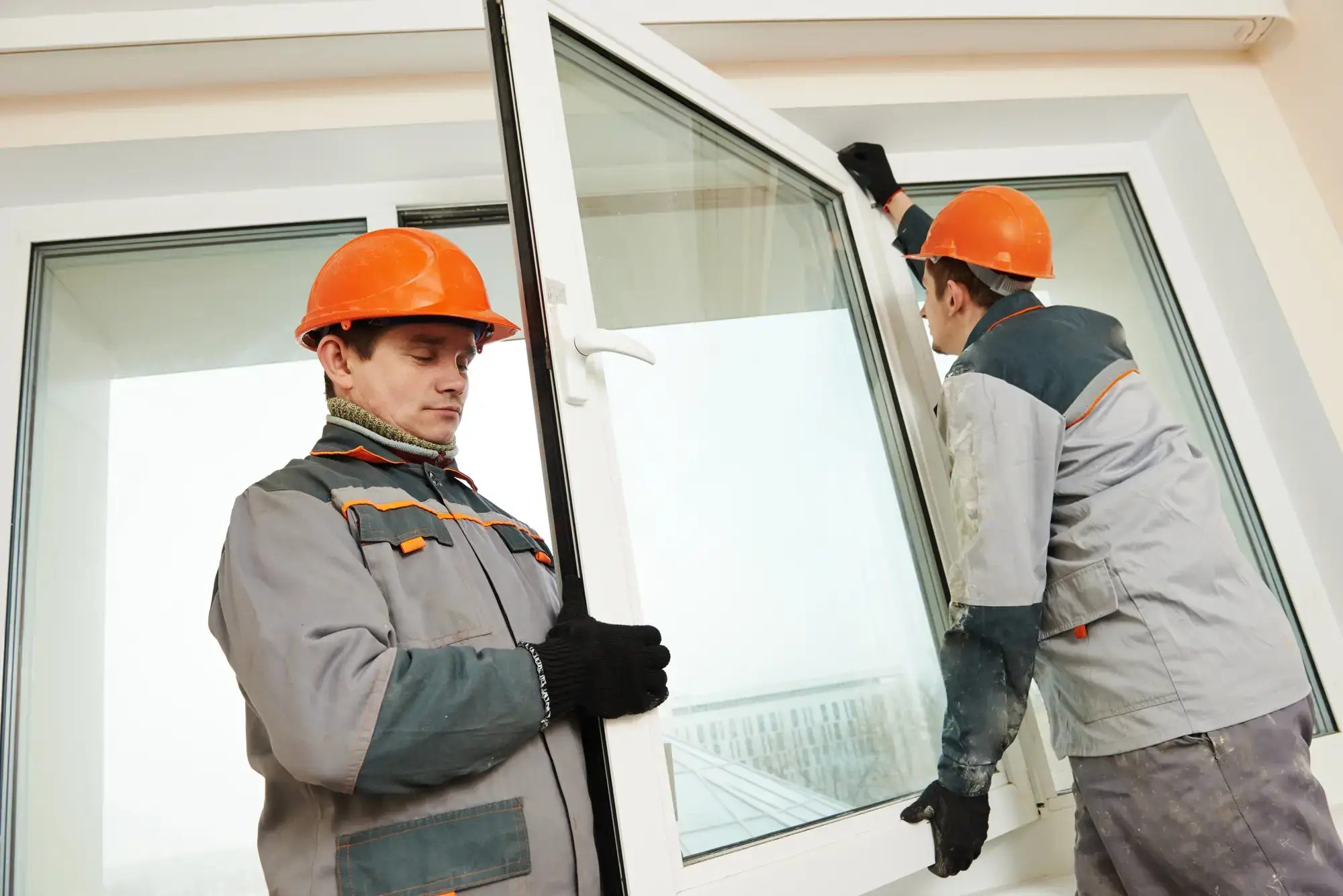
The best way to figure out which windows are right for your home is to have someone walk through it with you. At One Oak Exteriors, we offer free estimates and will give you an honest recommendation including when repair makes more sense than full replacement.
We serve Weatherford, Aledo, Willow Park, Hudson Oaks, and surrounding Parker County communities.